Check Vehicle & Licence Details
What is the Regional Transport Office (RTO)?
The RTO full form is Regional Transport Office. It is system in India works as the backbone of road transport and vehicle management. It is managed by a government organization that controls drivers, vehicles and transport rules in different states of India and every union territory. For mobile, the RTO vehicle information app is available on the Google Play Store.
This system runs under the Motor Vehicles Act, 1988. The RTO acts as the operational arm under the Transport Commissioner. The main aim is safety, accountability and smooth travel for every vehicle owner and road user. Check your rto challan status.
Your vehicle carries a digital footprint. Every detail about your car or bike lives in government systems waiting for you to access it. When you need to verify vehicle registration, check owner information, or pull up insurance details, you do not have to visit the RTO office anymore. The process happens online through VAHAN and Parivahan Sewa platforms managed by the Ministry of Road Transport and Highways (MoRTH).
This guide walks you through checking all your vehicle information from your couch. You will learn how to search vehicle details, verify RC status, find owner information, and access everything the RTO has on file about your vehicle.
Why You Need to Check Vehicle Information
You search for vehicle details for different reasons depending on your situation. If you are buying a used car or bike, you need independent verification before handing over money. When your vehicle is due for renewal, you check registration validity and fitness certificate status. If you received a traffic violation, you want to see pending challans and know what fines you owe.
Insurance companies ask for this information when you apply for coverage. Banks want proof of vehicle ownership when financing a purchase. If you are transferring ownership, you need to verify current owner information matches your records. Sometimes you just want to confirm your RC details are correct in government files or check whether your PUCC status is valid.
The Ministry of Road Transport and Highways created these online systems so you do not have to waste time in government offices. Now verification happens in minutes through your phone or computer.
Complete Vehicle Information You Can Access Online
When you look up your vehicle registration number, you get access to several categories of information working together.
Registration and RC Details: show your registration number, registration date, and RC validity. You see when your certificate was issued and when it needs renewal. The registration certificate details tell you which RTO office processed your registration and their contact information.
Vehicle Attributes: break down exactly what your vehicle is. Your fuel type tells whether you drive petrol, diesel, CNG, electric, or hybrid. Vehicle class shows if you own a two-wheeler, car, commercial vehicle, or something specialized. The maker and model identify your exact vehicle. Vehicle age calculates how many years your vehicle has been on the road. These vehicle details paint a complete picture of what you own.
Owner Information: connects the vehicle to you or whoever currently holds the registration. Owner name, vehicle owner information, and owner details match the RC holder. Independently verify this information before buying used vehicles. When you use vehicle verification services, they confirm whether the person selling matches the person listed in VAHAN records.
Insurance and Compliance Records: show insurance status, insurance validity, and whether your PUCC (Pollution Under Control Certificate) remains current. You see insurance details including which company covers your vehicle and when coverage expires. The insurance validity period tells you when you need to renew policies before they lapse.
Challan and Traffic Records: display pending traffic challans associated with your vehicle number. Check challan status, see violation details, and learn payment deadlines. The e-challan system shows fines issued through traffic enforcement cameras. Pending traffic challans stay attached to your vehicle until you pay them completely.
How to Check Vehicle Details by Registration Number
Finding vehicle information requires just your registration number. Your vehicle number appears on your number plate, registration certificate, and insurance documents. Navigate to the VAHAN portal or use Parivahan Sewa services to search.
Enter your vehicle registration number exactly as it appears on your plate: Copy it character by character to avoid search errors. The format typically looks like two letters for your state, two numbers for your district code, then letters and numbers. If you enter the registration number incorrectly, the system returns no results.
Click the search button and wait for the database to return matches: The vehicle search only takes seconds. The system pulls your vehicle record from the centralized Transport Databases managed by the government of India.
Review the vehicle information returned on your screen: You see the vehicle class, fuel type, maker, model, registration date, and owner name. The access to this information is instant. Some systems allow you to download a vehicle information printout for your records.
Complete vehicle registration information appears in one place. You do not have to navigate between different pages. The RTO registration details show authority details for the office that processed your paperwork.
RC Status Verification and Registration Certificate Checking
Your RC (Registration Certificate) is your vehicle’s identity document. Checking RC status online tells you whether your certificate is valid, suspended, or approaching expiration. RC details show the exact validity period.
RC validity: extends typically for 15 years from the date of first registration, then you must renew. Many people miss their RC validity dates and receive penalties. When you check registration certificate status online, you prevent this mistake.
How to check RC status: Search your vehicle number on the VAHAN portal. The system displays whether your RC is valid, cancelled, or has any legal holds. You see the registration date and renewal deadline clearly marked. RC status messages explain what your current registration condition means.
Common RC status messages: include “Valid,” “Not Renewed,” “Suspended,” or “Rejected.” If your status shows anything other than valid, you need to visit your RTO office to resolve the issue. Do not ignore RC validity warnings—driving with an invalid registration certificate invites traffic fines and legal trouble.
The registration number on your RC must match exactly what appears in the VAHAN database. When RC details do not match government records, you have a serious problem. Check registration certificate accuracy as soon as you receive your RC from the RTO office.
Finding Vehicle Owner Details and Verifying Ownership
Owner information serves multiple purposes. When buying a used vehicle, you need to confirm the seller legally owns what they claim to sell. When transferring ownership, you verify the current registered owner. When filing insurance claims, companies want proof of vehicle ownership.
Vehicle owner details by registration number: are publicly available through RTO records. The owner name, owner information, and vehicle owner details link one person to your vehicle. Government of India systems maintain this ownership data to prevent theft and fraud.
How to check vehicle owner details online: Enter your vehicle registration number in VAHAN. The results page displays the owner name and owner information. You see whose name appears on the registration certificate file. This owner information comes directly from official RTO records.
What owner information is available: You access owner name and the registration authority that verified ownership. You do not get private phone numbers or home addresses through public searches. The system protects privacy while confirming ownership status.
Using owner verification for used vehicle purchases: Before buying any used car or bike, independently verify that the person selling you actually owns the vehicle. Ask to see their identification document. Cross-check their name against the vehicle owner information displayed in VAHAN. If names do not match, walk away from the deal. Too many people lose money buying stolen or financed vehicles without proper ownership verification.
When vehicle owner details by number plate show no match, something is wrong. Either the registration number is incorrect or the vehicle has no valid registration.
Insurance Verification and Checking Coverage Status
Insurance status affects whether you can legally drive your vehicle. Many people forget when insurance coverage ends. Driving without active insurance creates massive financial and legal liability.
Check insurance status online: by entering your vehicle number in government portals. Insurance details show which company insures your vehicle and the coverage start date. Insurance validity displays your expiration date in clear format.
What insurance information is available: You see the insurance company name, policy number, and valid-from date. The system confirms whether your coverage remains active or has lapsed. Insurance details tell you exactly when you must renew your policy.
Finding instant car insurance quotes: requires shopping multiple providers, but verification requires only one search. When your insurance validity is about to expire, start looking for quotes early. Do not wait until the last day when you have no time to compare options.
Bike insurance and car insurance have different requirements: Commercial vehicles have unique insurance rules. Know what type of insurance your vehicle requires before shopping for premiums.
Checking PUCC Status and Fitness Certificate Validity
Pollution Under Control (PUCC) certificates prove your vehicle meets environmental standards. Every vehicle needs current PUCC status. When you check PUCC status online, you verify your vehicle passed emissions testing within the required timeframe.
PUCC validity requirements: vary by vehicle age and type. New vehicles get longer intervals before their first PUCC test. Commercial vehicles need more frequent testing. The RTO office determines your specific PUCC requirements based on your vehicle class.
Fitness certificate checking: applies to commercial vehicles, vehicles over 8 years old, and vehicles engaged in passenger transport. Unlike PUCC, which tests emissions, fitness certificates verify your vehicle is mechanically roadworthy. Check fitness status before your current certificate expires.
Vehicle fitness status: either shows “Valid” or “Expired.” If expired, you cannot legally operate your vehicle. Commercial vehicle fitness is non-negotiable, authorities check this regularly during inspections.
When either PUCC status or fitness certificate status shows expired, your vehicle ownership carries liability. You are breaking traffic laws by operating your vehicle. Renew both certificates immediately at authorized centers.
E-Challan Status Check and Understanding Traffic Violations
Traffic challans are fines issued for violating traffic rules. The e-challan system tracks these violations digitally through your vehicle registration number. When authorities issue a challan, it gets recorded against your vehicle, not your person.
What is an e-challan: Automatic traffic enforcement cameras capture violations, speeding, signal jumps, parking violations and generate e-challans tied to your vehicle number. Traffic police also issue hand-written challans that get digitized later.
How to check challan status: Search your vehicle registration number on the RTO portal or dedicated challan websites. The system displays all pending traffic challans and their violation details. You see the violation date, violation type, amount due, and payment deadline.
Common violations generating challans: include speeding, rash driving, signal jumping, parking violations, helmet violations, and document-related infractions. Each violation carries specific fines. Repeat violations increase penalties.
Payment process for challans: Once you identify your pending traffic challans, you can pay online through designated portals. The system accepts digital payment and issues receipts immediately. Paying quickly prevents additional penalties or legal complications.
Pending traffic challans accumulate quickly. One vehicle number can have multiple fines waiting for payment. Ignoring challans creates a larger problem over time. When your vehicle record shows numerous unpaid fines, it affects your insurance premiums and registration renewal.
Check challan status regularly. Many people discover traffic violations months later when they try renewing their RC. Finding these earlier lets you resolve them before registration deadlines.
Ownership Transfer and Selling Your Vehicle
Vehicle ownership transfer happens when you sell your vehicle or buy one. Both buyer and seller need to understand how ownership transfer works to protect themselves legally.
When ownership transfer is required: Every time a vehicle changes hands, the registration certificate must be transferred to the new owner. Driving a vehicle with someone else’s registration is illegal. The previous owner remains liable for violations until transfer completes.
Ownership transfer involves two processes: The current owner needs to submit transfer documents through their RTO. The new owner needs to apply for registration transfer through their RTO. Both steps must complete for legal ownership change.
Required documents for vehicle ownership transfer: include the original RC certificate, proof of identity, proof of address, invoice/purchase agreement, pollution certificate, insurance certificate, and no-objection certificate (NOC). The NOC proves the previous owner agrees to the transfer.
Online ownership transfer process: lets you initiate RC transfer through state transport systems. Many states now offer online RC transfer reducing office visits. You upload documents, pay fees, and track status through a dashboard.
Offline RC transfer: requires visiting the RTO office with documents in person. This process takes longer but remains available if online systems are unavailable. The process typically takes 15-30 days depending on your state and whether they conduct vehicle inspection.
Know your RC transfer timeline: before buying or selling. Delays in completing transfer leave the previous owner liable for violations. Do not hand over money until transfer begins processing.
The ownership change vehicle process protects both parties. The buyer gets legal ownership rights. The seller removes future liability. Government records officially reflect who owns the vehicle.
Vehicle Verification Before Buying Used Cars and Bikes
Buying used vehicles requires more verification than new car purchases. Used vehicle verification protects you from stolen vehicles, hidden damage, and ownership disputes. Used car and used bike purchases both need the same verification steps.
Registration verification: confirms the vehicle has valid registration in current status. You check that RC status shows “Valid” not “Suspended” or “Rejected.” A vehicle with invalid registration creates immediate problems when you own it.
Owner verification: ensures the seller actually owns what they claim. Match their identification document against the vehicle owner information displayed in VAHAN. If they claim the vehicle is in their spouse’s name, see legal documentation proving their authority to sell.
Insurance check; reveals whether the vehicle has outstanding insurance claims. You see whether the insurer has flagged the vehicle due to damage patterns. Check insurance status to understand claim history.
Challan check: displays all pending traffic violations. You see what traffic violations the vehicle accumulated under previous ownership. Walking into hundreds of rupees in unpaid fines is not a pleasant surprise. Know what you are inheriting before purchase.
Theft verification: requires entering your vehicle number on the National Crime Records Bureau (NCRB) database. This step prevents buying stolen vehicles unknowingly. Never skip this verification no matter how good the deal seems.
Red flags to watch during used vehicle verification:
- Owner name does not match seller identification.
- Multiple pending challans without reasonable explanation.
- Recent insurance claims for major damage.
- Registration validity expiring within weeks.
- Vehicle records show frequent ownership changes.
- No valid fitness or PUCC certificates.
A used vehicle with unclear history costs less initially but creates expensive problems later. Complete verification takes 30 minutes and saves you from disaster.
RTO Services and Online Vehicle Solutions
Beyond vehicle searches, the RTO system offers multiple online services through government platforms. The Ministry of Road Transport and Highways continues expanding online options to reduce office visits.
Common online RTO services available:
You can apply for duplicate RC if your original certificate is lost or damaged. Submit an application with supporting documents. The RTO office issues a duplicate certificate within your timeline.
A No-Objection Certificate (NOC) becomes necessary when transferring a financed vehicle or moving to another state. Request NOC through your RTO office. They verify all taxes and fines are cleared before issuing.
Address change in your RC happens when you move to a new location. Update your registered address online. The change reflects in all government systems within days.
License services through RTO systems let you track driving license applications, renewal status, and document requirements. Some states integrate license and vehicle registration systems into one portal.
Permit services handle commercial vehicle permits, stage carriage permits, and specialized vehicle permissions. These services require specialized RTO processing beyond standard registration.
The services section on most RTO portals explains what documents you need and processing timelines. The online services dashboard shows your application status real-time. You do not need to visit the office to check progress anymore.
Vehicle Information Across Different States
India has 28 states and 8 union territories, each with independent RTO systems. While VAHAN connects all states nationally, each state maintains its own transport authority structures and portal interfaces.
State-wise vehicle registration details vary slightly: Andhra Pradesh (AP), Arunachal Pradesh (AR), Assam (AS), Bihar (BR), Chhattisgarh (CG), Goa (GA), Gujarat (GJ), Haryana (HR), Himachal Pradesh (HP), Jammu Kashmir (JK), Jharkhand (JH), and Karnataka (KA) each run their vehicle registration systems through their State Transport Departments.
The state directory helps you locate correct RTO offices for your area. Many states maintain individual state-wise vehicle registration details websites alongside the national VAHAN portal. Some states have better-designed portals than others.
When checking vehicle information from another state, use VAHAN nationally. The central database returns results regardless of which state issued your registration. State-level portals sometimes have search limitations but VAHAN always works.
If you need to visit an RTO office for your specific state, use the state directory to find the correct registration authority details and contact information. Each state portal displays office locations, phone numbers, and sometimes operational hours.
Verification Methods for Used Vehicle Buying
| Verification Type | Time Required | Ease of Access | Information Provided | Critical Importance |
|---|---|---|---|---|
| Registration Verification | 2 minutes | Online VAHAN portal | RC status, validity date | Very High |
| Owner Verification | 5 minutes | VAHAN portal | Owner name match | Very High |
| Insurance Check | 3 minutes | VAHAN + insurer portal | Coverage status, claims | High |
| Challan Status | 2 minutes | RTO portal | Pending fines list | High |
| Theft Verification | 5 minutes | NCRB database | Theft history | Critical |
| Fitness Certificate | 1 minute | VAHAN + RTO portal | Certificate validity | High for older vehicles |
| Complete Vehicle History | 15 minutes | Multiple searches combined | Full background | Very High |
Vehicle Registration Services Through Vahan
The RTO manages vehicle data using Vahan and the Vahan portal. It stores all records of Indian road vehicles in a centralized database.
1. Temporary Registration
- Provided by dealers for new vehicles: Dealers provide this certificate when you purchase a vehicle. It allows you to use a vehicle legally before you get permanent registration.
- Valid for: It is valid for 1 month. During this period, you can apply and get permanent registration.
- Used until a permanent RC is issued: It is valid until you get a permanent registration. After that, it is cancelled automatically.
2. Permanent Registration and RC
After inspection, vehicles get permanent registration and an RC (registration certificate). The RC is an official document. That confirms the vehicle is legally registered. It contains important details such as ownership details, vehicle class, fuel type, and the make and model of the vehicle.
Understanding RTO Code and Number Plate Format
Each vehicle has a unique RTO code. The standard license plate format is
XX 00 AA 1111
Example: KA 01 MG 2026
- state code like Karnataka, Maharashtra, Tamil Nadu, Uttar Pradesh
- district code
- series code like AA, AB
- Number between 0001 and 9999
- last 4 digits form a unique number
Types of Number Plates in India
| Plate Type | Used For |
|---|---|
| White plate | private vehicles |
| Yellow plate | Commercial vehicles |
| Green plate | electric vehicles (EVs) |
| Black plate with yellow text | self-drive rental cars |
| Blue plate | diplomatic vehicles, embassies |
Verify Driving License Information Online
1. Using VAHAN Website
Follow these simple and secure steps on your web browser to verify your driving licence information.
- Open the official website Parivahan Sewa to begin the online verification process safely and reliably.
- Click on Driving License Services to access all available license-related options.
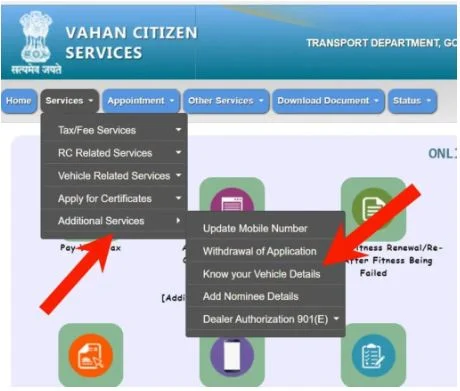
- Select DL Information to proceed toward viewing your personal license details.
- Choose your state carefully from the list to ensure accurate record retrieval.
- Enter the license number correctly to help the system identify your registration.
- Fill in the date of birth as per official records for proper authentication.
- Type the CAPTCHA code displayed on the screen to complete the security check.
- Click Submit to confirm your request and generate your license details.
2. Using the mParivahan App
Use this method to quickly check your driving licence (DL) details on your smartphone with official verification.
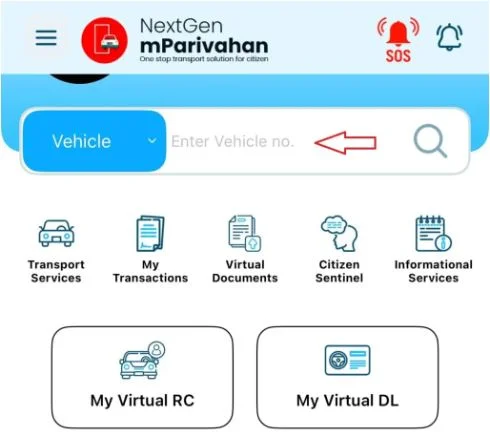
1. Download the mParivahan app.
- Android users: Install from Google Play Store.
- iOS users: Install from Apple App Store.
2. Access Driving License Section
- Open the app for access.
- Tap on DL Information for Navigation.
3. Enter License Details
- Enter your DL number for the search.
- Add date of birth for validation.
- Select your state if required.
- Click Search for Results.
4. OTP Verification (If Required)
- Enter your registered mobile number.
- Receive OTP.
- Submit an OTP for protection.
5. View Your Driving Licence Information
After a successful search, you can see:
- Name of holder for accuracy.
- Validity status for compliance.
- Renewal date for planning.
- Vehicle category for authorization.
- Endorsements or special permissions for authorization.
Step 6: Save Virtual DL
- Download Virtual DL for Backup.
- Store it on your smartphone or link it with DigiLocker.
- Accepted legally by the traffic police.
Check Vehicle Information Online
This guide explains how to check your vehicle details, including RC status check, insurance, tax and fitness.
1. Using the Vahan Portal
- Open the Vahan website for connection: Access the official Vahan portal to start your vehicle information search securely.
- Click on Vehicle Information for Entry: Navigate to the Vehicle Information section to access your RC and registration details.
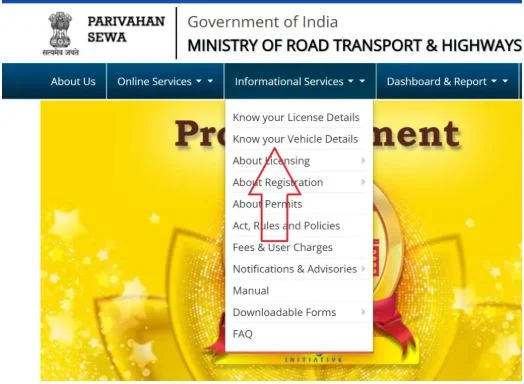
- Select RC Status for Tracking: Choose the RC Status option to track all official records related to your vehicle.
- Enter Registration Number for Search: Input your vehicle registration number accurately (Example: MH12AB1235) to ensure correct results.
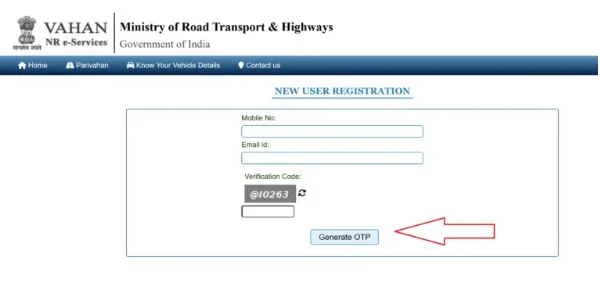
- Fill in the CAPTCHA code for safety: Enter the displayed CAPTCHA code to verify that you are a human user and maintain system security.
- Click Search for Output: Press the Search button to retrieve your vehicle information from the official database.
Information You Can View
After submitting your details, the portal will display the following:
- Owner Name for Ownership
- Registration Date for History
- Vehicle Class for Category
- Fuel Type for Specification
- Insurance Status for Coverage
- Tax Status for Compliance
- Fitness Status for Approval
2. Using mParivahan App
- Open the App to Start: Open the mParivahan app and ensure your internet connection is active.
- Tap RC Information for Navigation: Select RC Information on the home screen to navigate to the vehicle details section.
- Enter Vehicle Number for Search: Type your vehicle registration number accurately to pull the correct records.
- Click Search for Processing: Tap Search to process your request and retrieve the data from the official database.
- Enter OTP if required for security: If prompted, provide your registered mobile number and enter the OTP received for secure verification.
Frequently Asked Questions
Can I check vehicle owner details by registration number for any vehicle?
Yes, owner name and basic vehicle information are publicly available through VAHAN for every registered vehicle in India.
How long does vehicle registration remain valid?
Initial registration validity runs for 15 years from the date of first registration. After that, you renew for 5-year periods.
What does it mean if my RC status shows rejected?
A rejected RC means your registration application failed verification. You must contact your RTO office immediately to understand why and reapply.
Can I check vehicle information if I do not know the exact registration number?
Most systems require exact registration numbers for searches. If you have the number plate photo, use that to enter the registration number correctly.
Is vehicle owner information private or public?
Owner name is public information accessible through government databases. Private contact details and home addresses remain protected.
What is the difference between PUCC and fitness certificate?
PUCC tests emission standards while fitness certificates verify mechanical roadworthiness for commercial or older vehicles.
How often should I check my vehicle information?
Check annually before registration renewal and immediately before selling or buying used vehicles. Check challan status quarterly to catch violations early.
Can I renew my RC online?
Many states allow RC renewal through online portals for valid vehicles with no outstanding issues. Some states still require office visits.
What happens if I drive with an expired registration?
You face significant traffic fines, possible vehicle impounding, and legal penalties. Never let your RC validity lapse.
Where can I find my vehicle age?
Your vehicle age calculates from the date of first registration. The VAHAN database displays this clearly in your vehicle information.
What is the main role of the RTO?
The RTO manages vehicle registration, driving licenses, tax collection, and safety rules. It works under the Motor Vehicles Act, 1988.